Wildlife Safaris
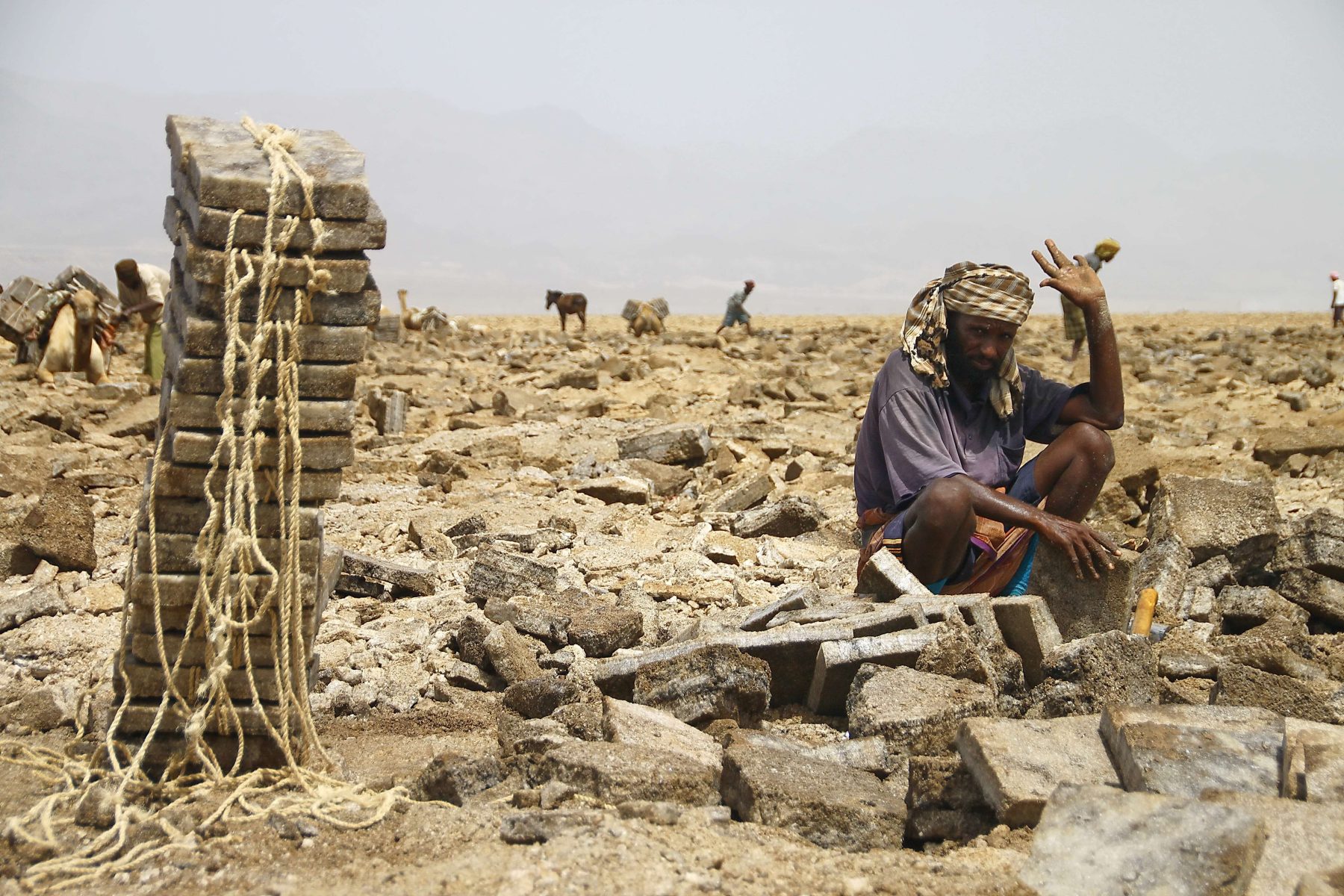
Floating In Lac Assal, The Lowest Point In Africa
A hypersaline lake over 150 metres below sea level, and easy to float in.
Extremes packed into a country you can cross by road in a day, from a salt lake below sea level to whale sharks offshore.
Djibouti packs extremes into a small footprint. Lac Assal sits over 150 metres below sea level, the lowest point in Africa.
Between November and January, the Gulf of Tadjoura fills with whale sharks, reachable by boat from Djibouti City.
Four reasons travelers pick Djibouti, each with its own field note from our team.
A hypersaline lake over 150 metres below sea level, and easy to float in.
A predictable window, November to January, to snorkel with the world's largest fish.
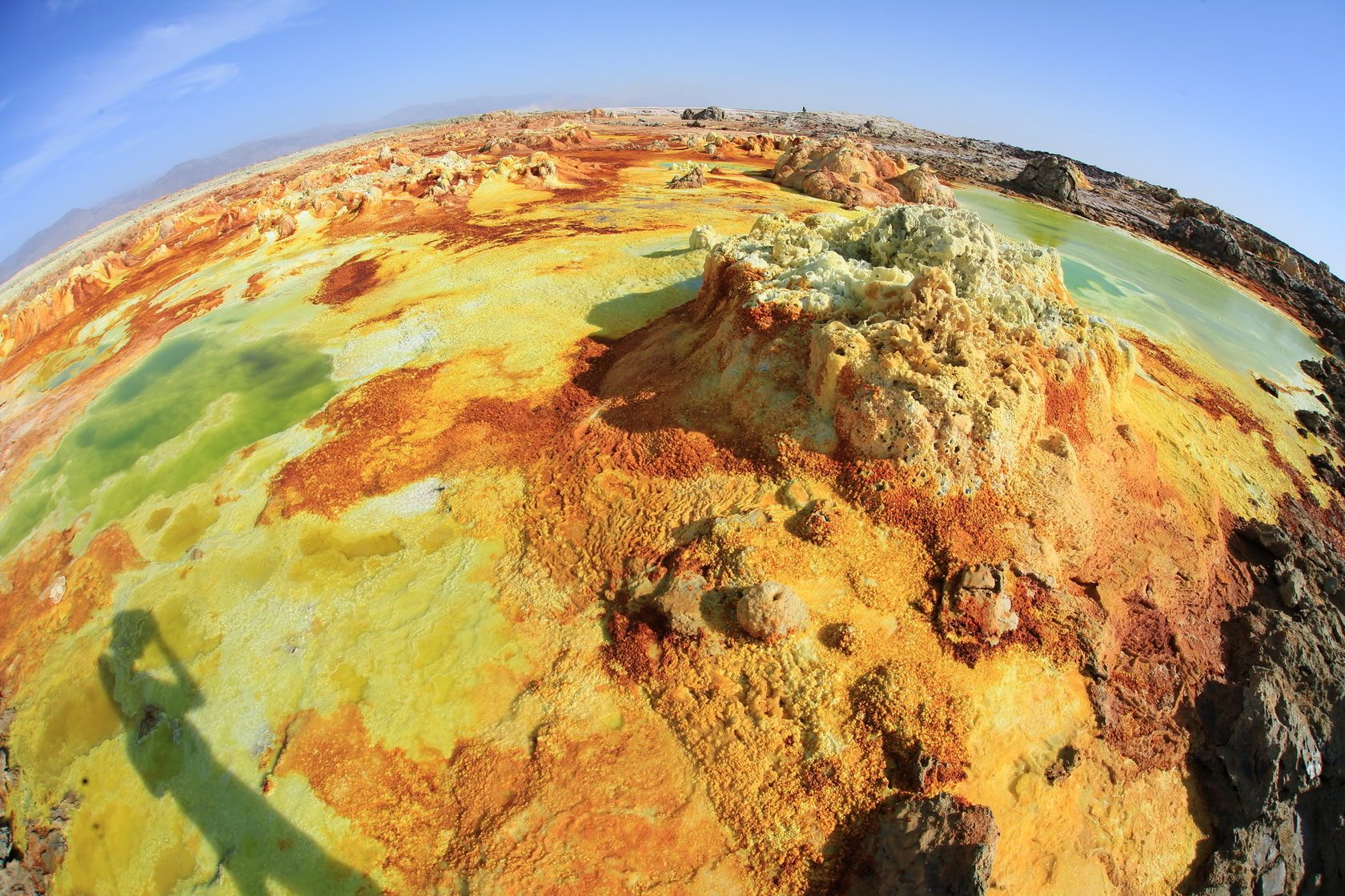
A landscape so otherworldly it has doubled for film sets more than once.
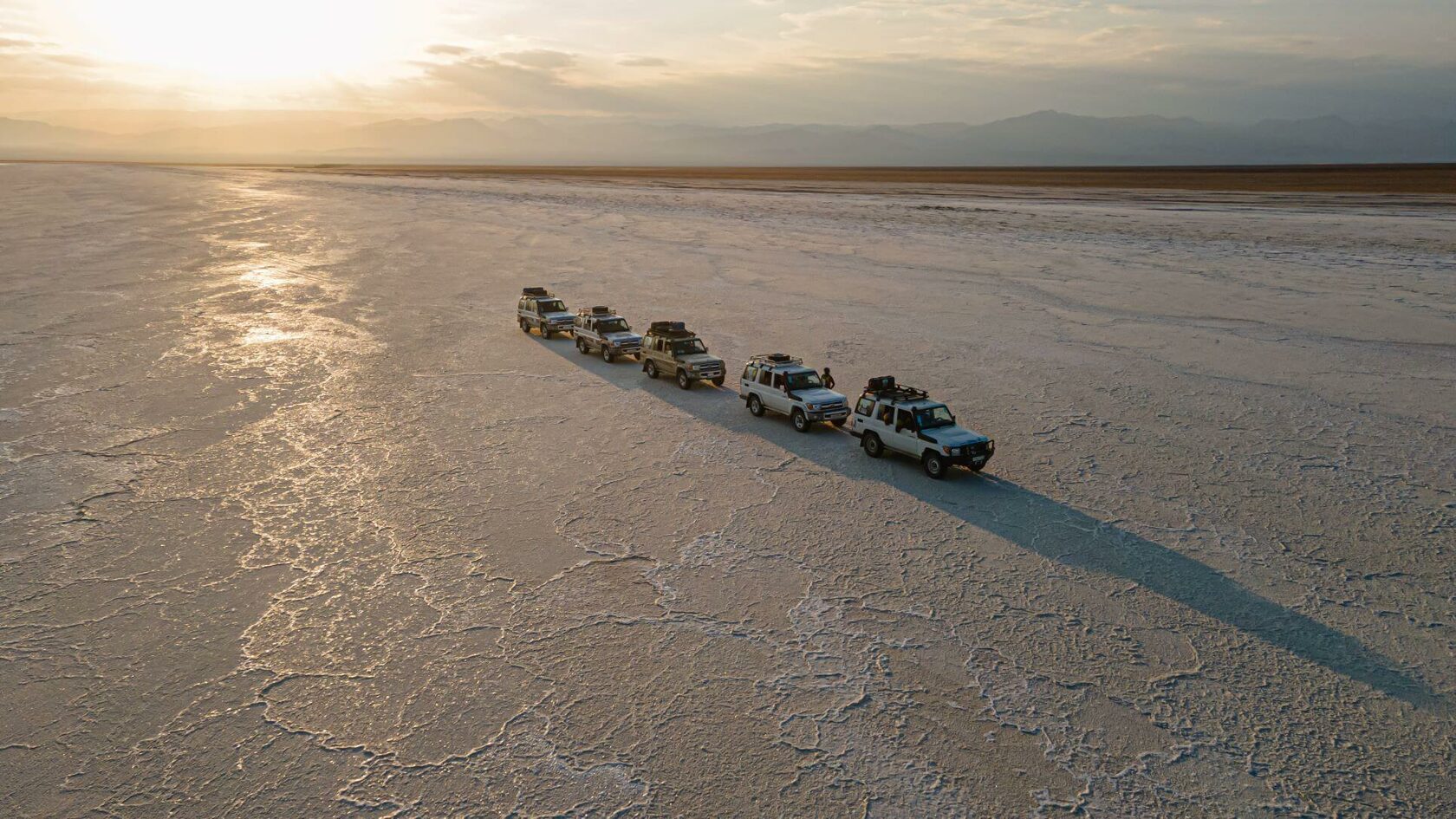
Why we schedule every Djibouti activity for early morning or late afternoon.
The places most of our Djibouti itineraries are built around.
 Lac Assal
Djibouti's Lac Assal sits more than 150 metres below sea level, the lowest point on the African continent and one of the saltiest bodies of water anywhere on earth, dense enough that floating requires almost no effort. Salt crystal formations crust the shoreline in white ridges that locals have harvested for generations. The drive from Djibouti City crosses genuinely dramatic volcanic terrain. Midday heat here is extreme, so visits are timed for early morning or late afternoon.
 Gulf of Tadjoura
Between November and January, whale sharks gather in the Gulf of Tadjoura's plankton rich waters, reachable by boat from Djibouti City for a close, safe snorkeling encounter with the largest fish species on earth. Sightings outside this window are possible but far less reliable. The gulf's calm, warm water suits snorkelers as much as certified divers. Dolphin sightings are a common bonus on the same boat trips.
 Lake Abbe
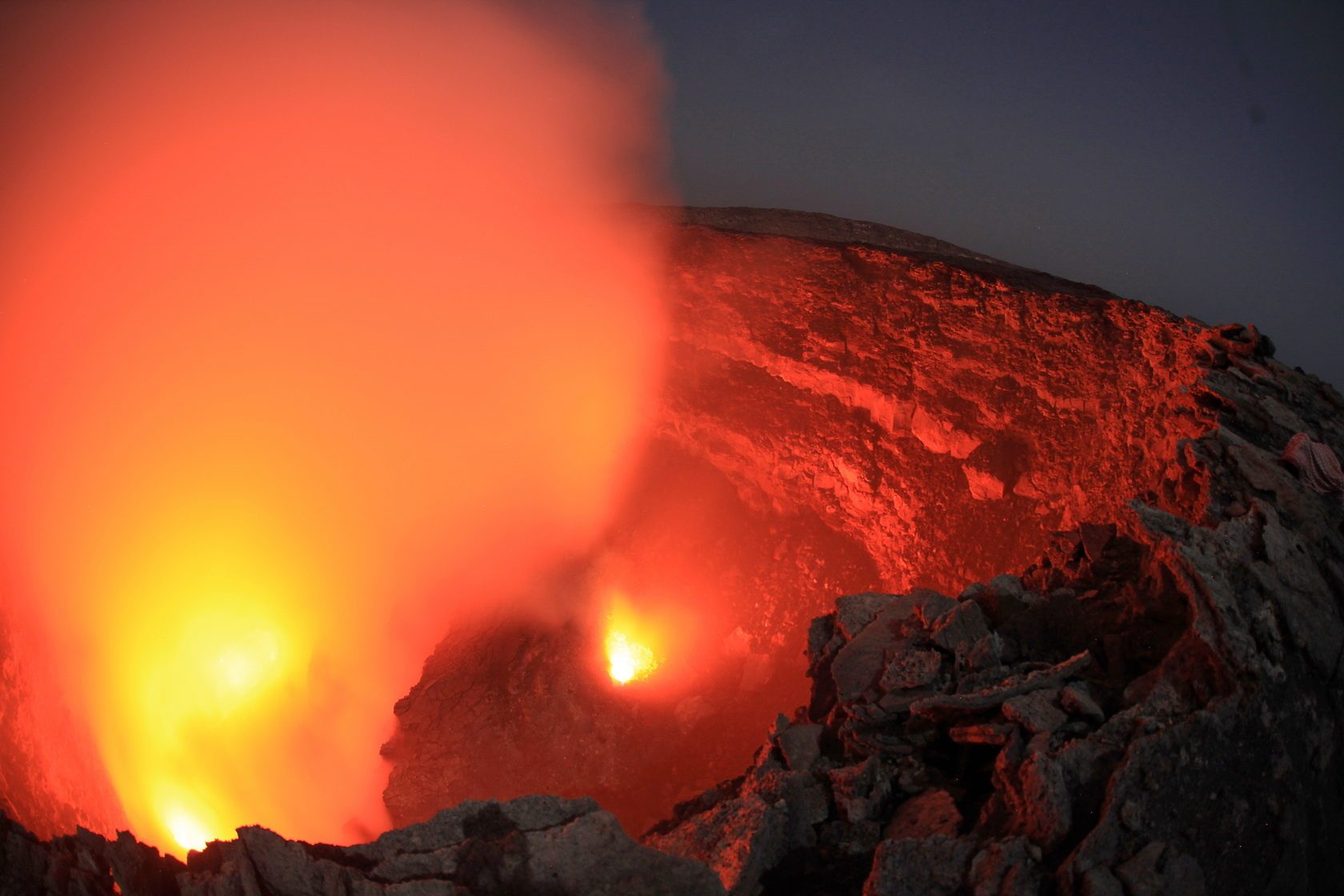
A landscape of limestone chimneys venting steam across a stark, sulphur streaked plain, Lake Abbe sits on Djibouti's border with Ethiopia and looks unlike almost anywhere else on earth. Flamingo flocks gather at the lake's edge in striking contrast to the volcanic terrain around them. Overnight camping here, watching sunrise light the chimneys, is one of the more memorable stops on our full Djibouti itinerary. The site has featured in more than one film production for exactly that otherworldly quality.
 Day Forest National Park
A relict juniper forest in the Goda Mountains, Day Forest offers cooler air and a green landscape that feels entirely disconnected from the desert surrounding it. Francolin and other highland bird species are found here and nowhere else in Djibouti. Short hiking trails wind through the forest, a welcome change of pace from the country's otherwise arid terrain. It sits within a day trip of Djibouti City.
 Djibouti City
Djibouti's capital sits at the crossroads of the Red Sea and Gulf of Aden shipping routes, giving it a genuinely international character shaped by decades as a strategic port. The old town's markets reflect trading links across the Horn of Africa and Arabian Peninsula. Most itineraries use it as a base, with day trips out to Lac Assal, the Gulf of Tadjoura and Lake Abbe. It remains one of the smaller, more manageable capitals to navigate in the region.
 Moucha Island
A short boat ride from Djibouti City, Moucha Island offers coral reef snorkeling and quiet beaches without the logistics of a full Gulf of Tadjoura excursion. It works well as a lower key alternative or addition to the whale shark trip. Camping overnight on the island is possible for travelers wanting more time on the water. It remains largely undeveloped, in keeping with the rest of Djibouti's coastline.
Every activity below has its own full guide, covering what to expect and where else it is offered.
November to February is the coolest, most comfortable window, and overlaps with whale shark season.
A visa on arrival or e-Visa is available for most nationalities. Daytime heat outside the cool season is significant, so we schedule activities around it.
Ready made itineraries built around Djibouti, or ask us to design your own.
Djibouti is small enough to cross by road in a day, yet holds the lowest point in Africa, some of the least developed Red Sea coastline anywhere, and a predictable whale shark season, an unusual concentration of extremes for such a compact country.
Daytime temperatures in Djibouti's interior can be extreme outside the cool season, so every activity on our itineraries is scheduled for early morning or late afternoon, with the heat of the day reserved for rest.
A visa on arrival or e-Visa is available for most nationalities.
Typically November to January, when whale sharks gather in the Gulf of Tadjoura's plankton rich waters.
Yes, its hypersaline water makes floating easy and safe, though we recommend avoiding it if you have open cuts given the salt concentration.
We time Djibouti trips to the whale shark season deliberately, rather than treating it as an afterthought on a wider itinerary.
 Gulf of Tadjoura
Tell us your dates and what you want to see, and we will reply with a day by day itinerary and a fixed price.
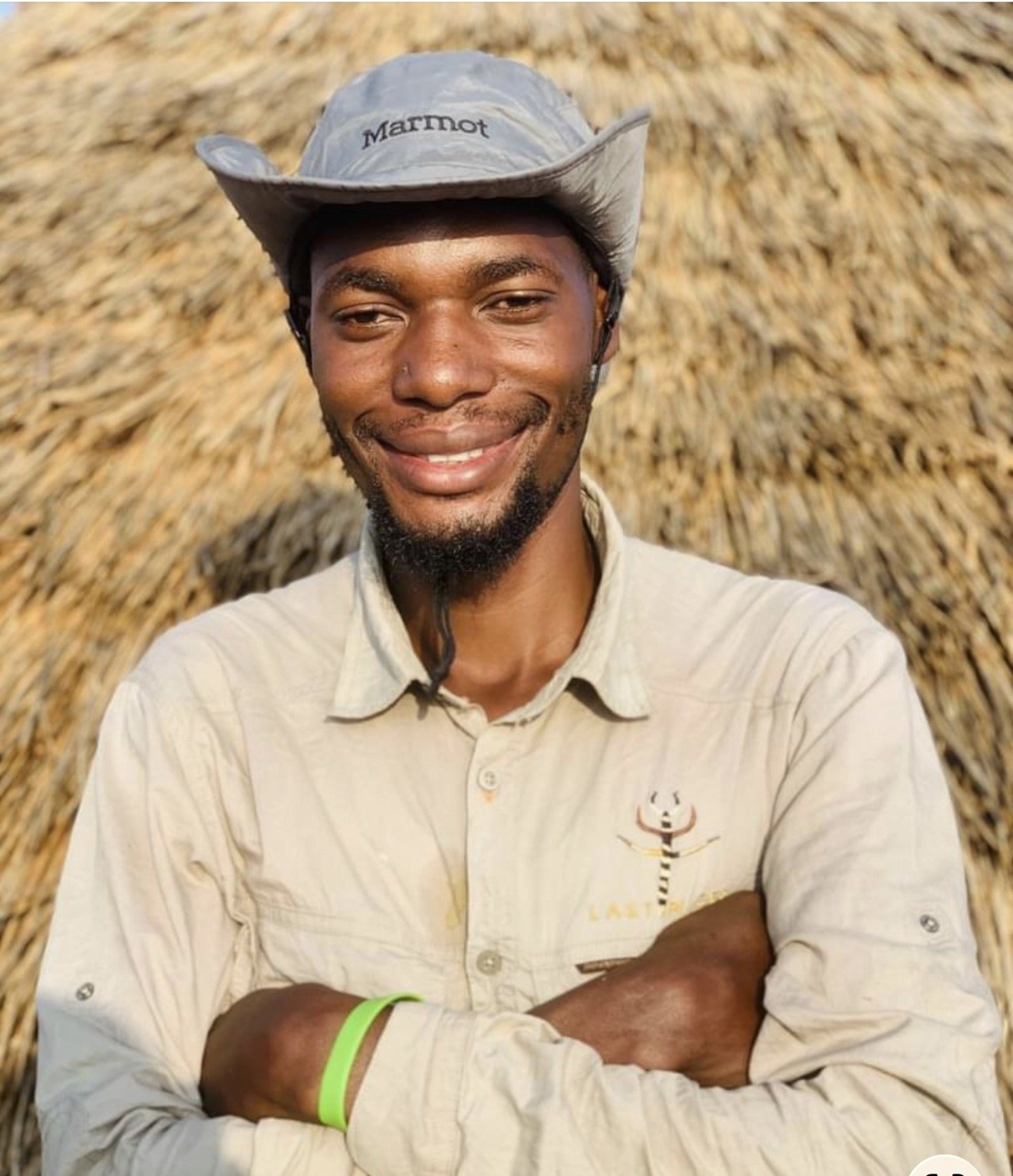
Not sure where to start? Talk to someone who has walked the trails. Choose how you would like to reach us:
Chat on WhatsAppThe fastest way to reach us Send a Safari EnquiryShare your dates and wishes