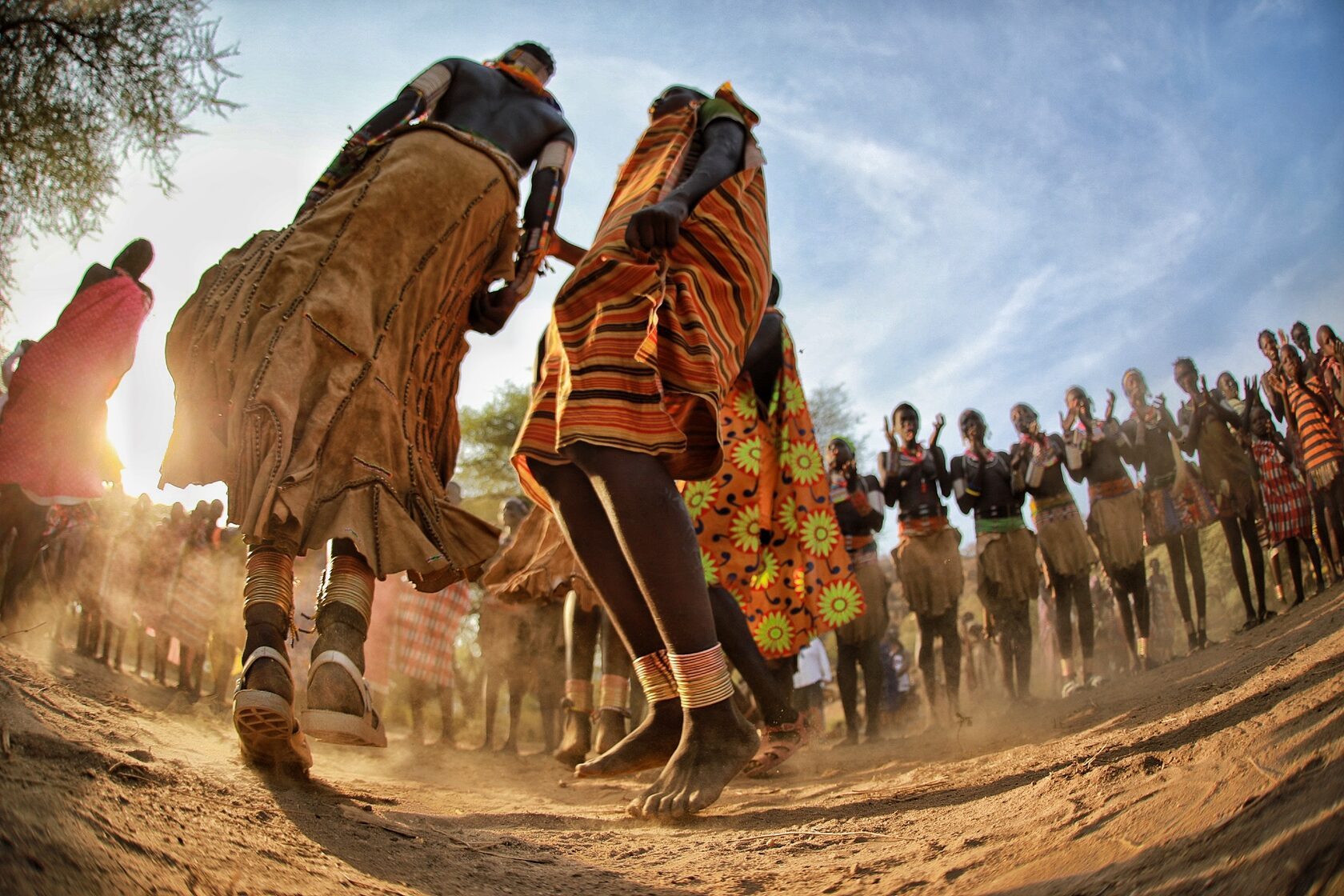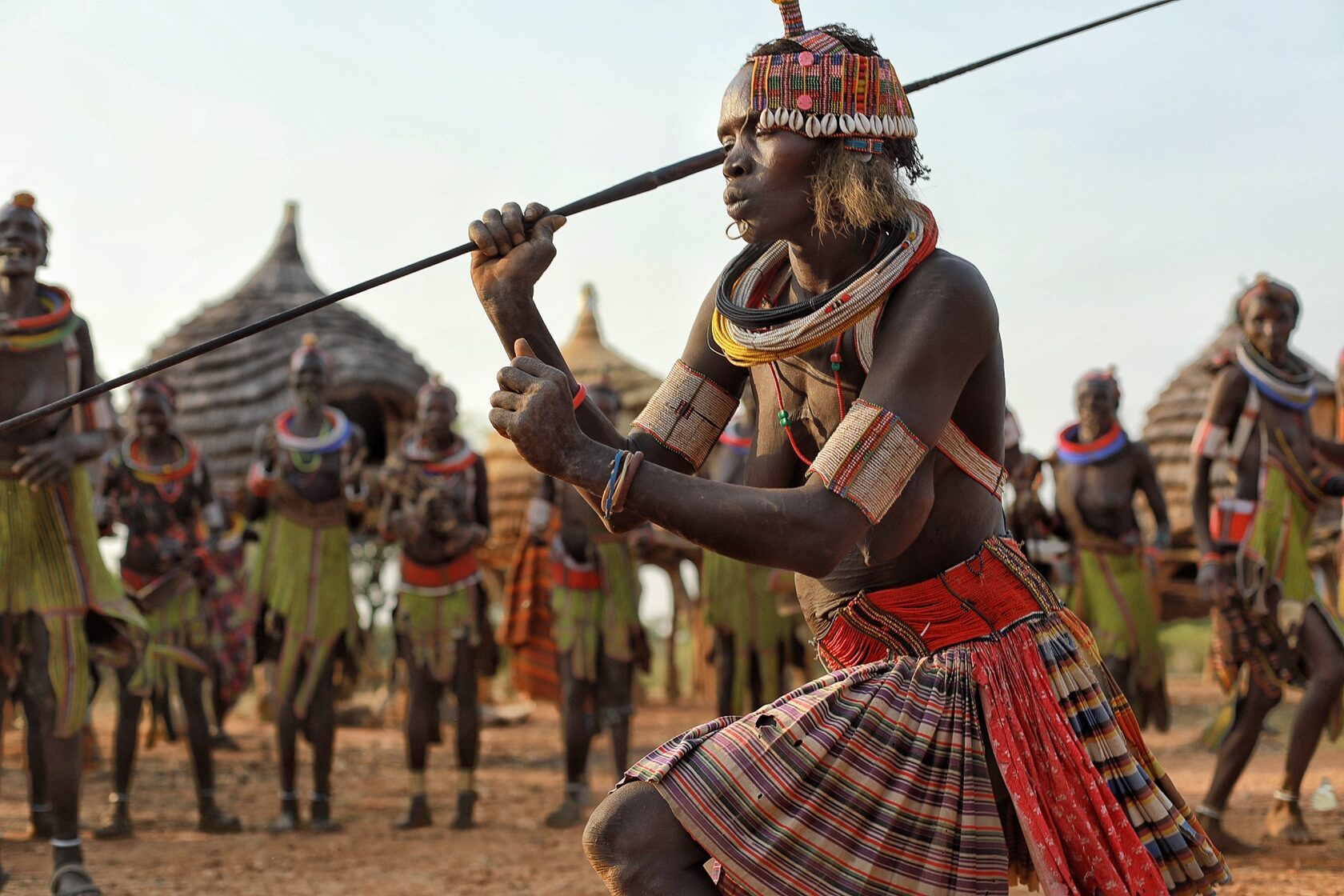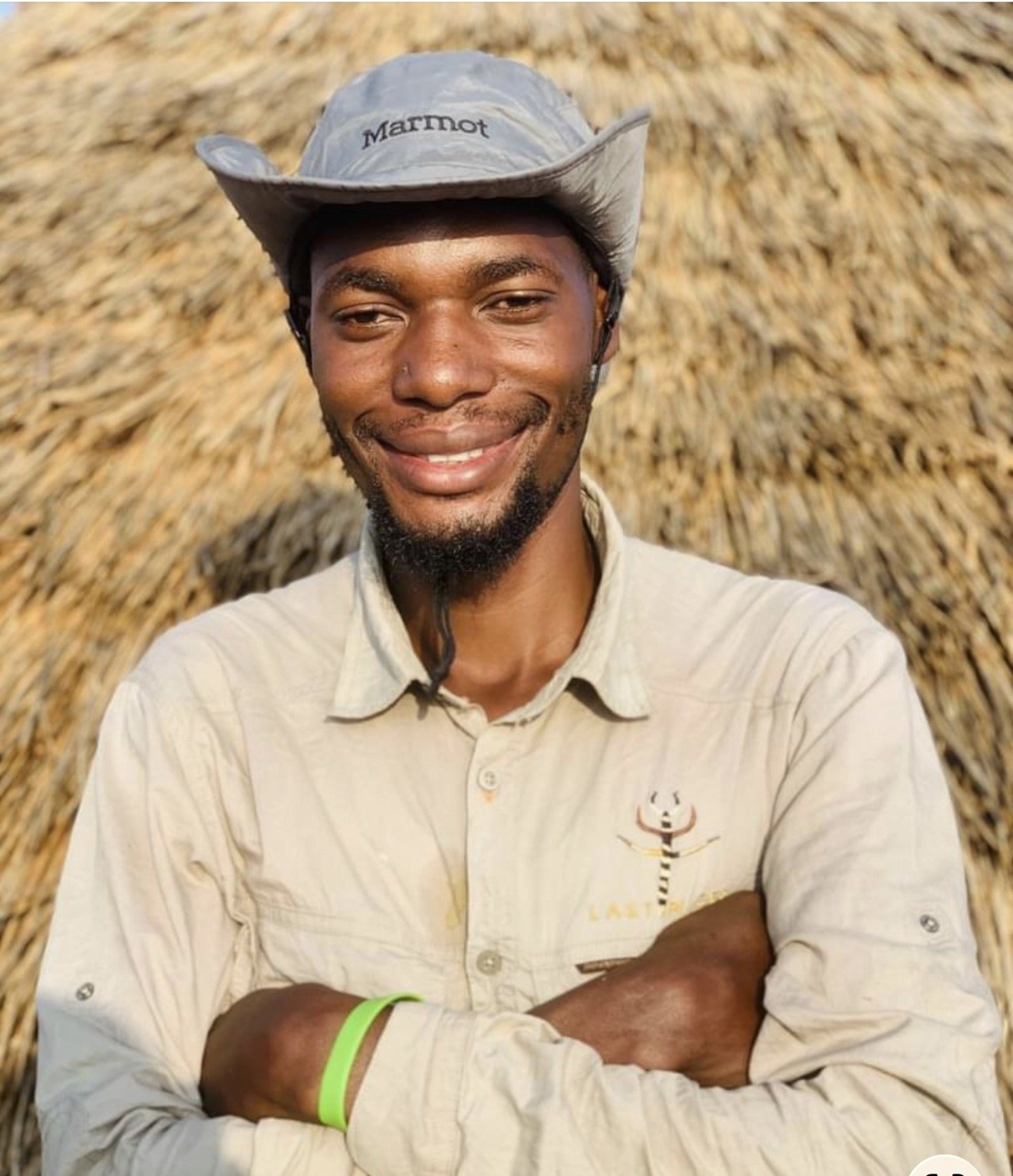
The Toposa and Boya communities, in South Sudan's remote southeast, maintain traditional dress, beadwork and daily life largely unaffected by outside tourism, simply because so few travelers make it this far.
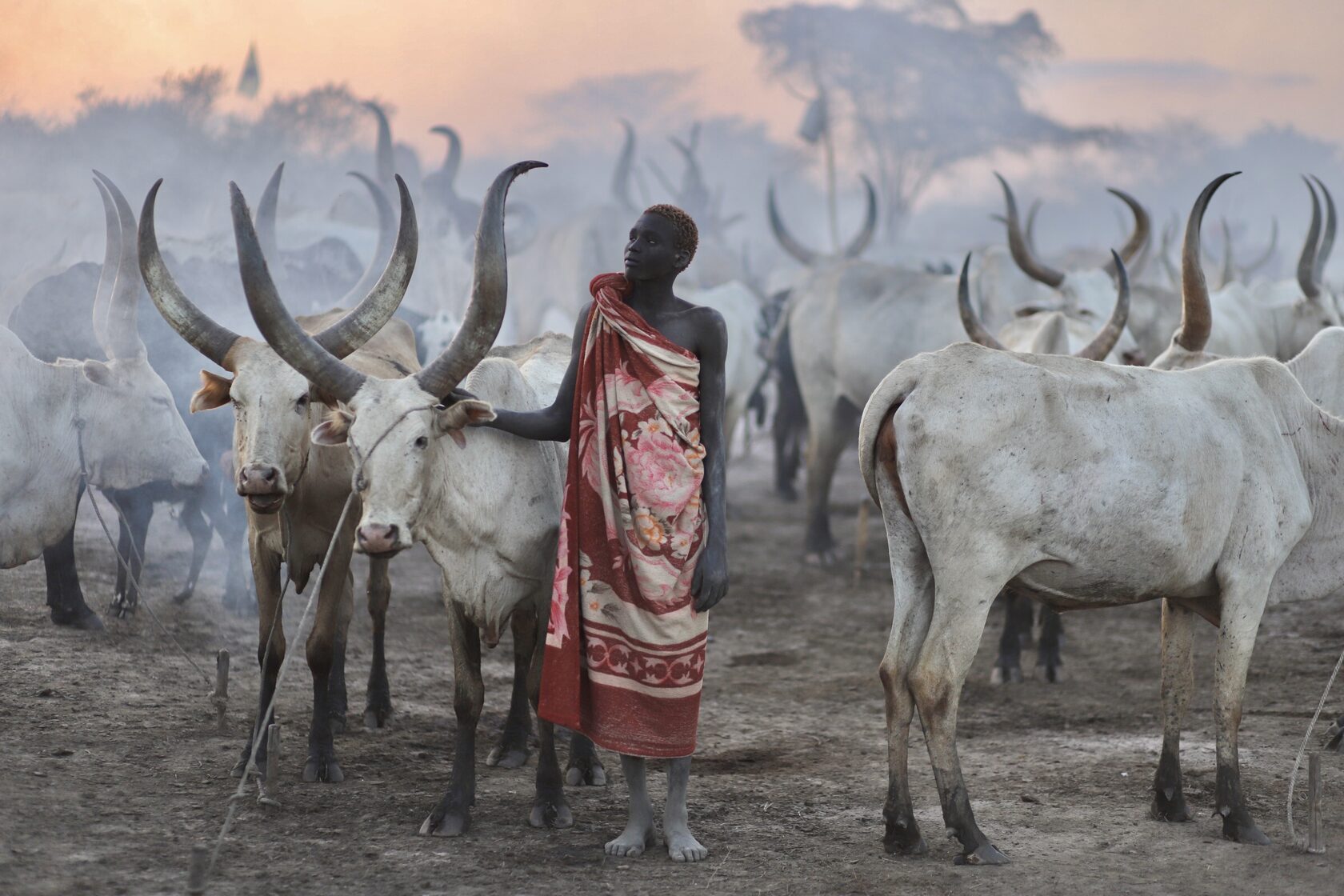
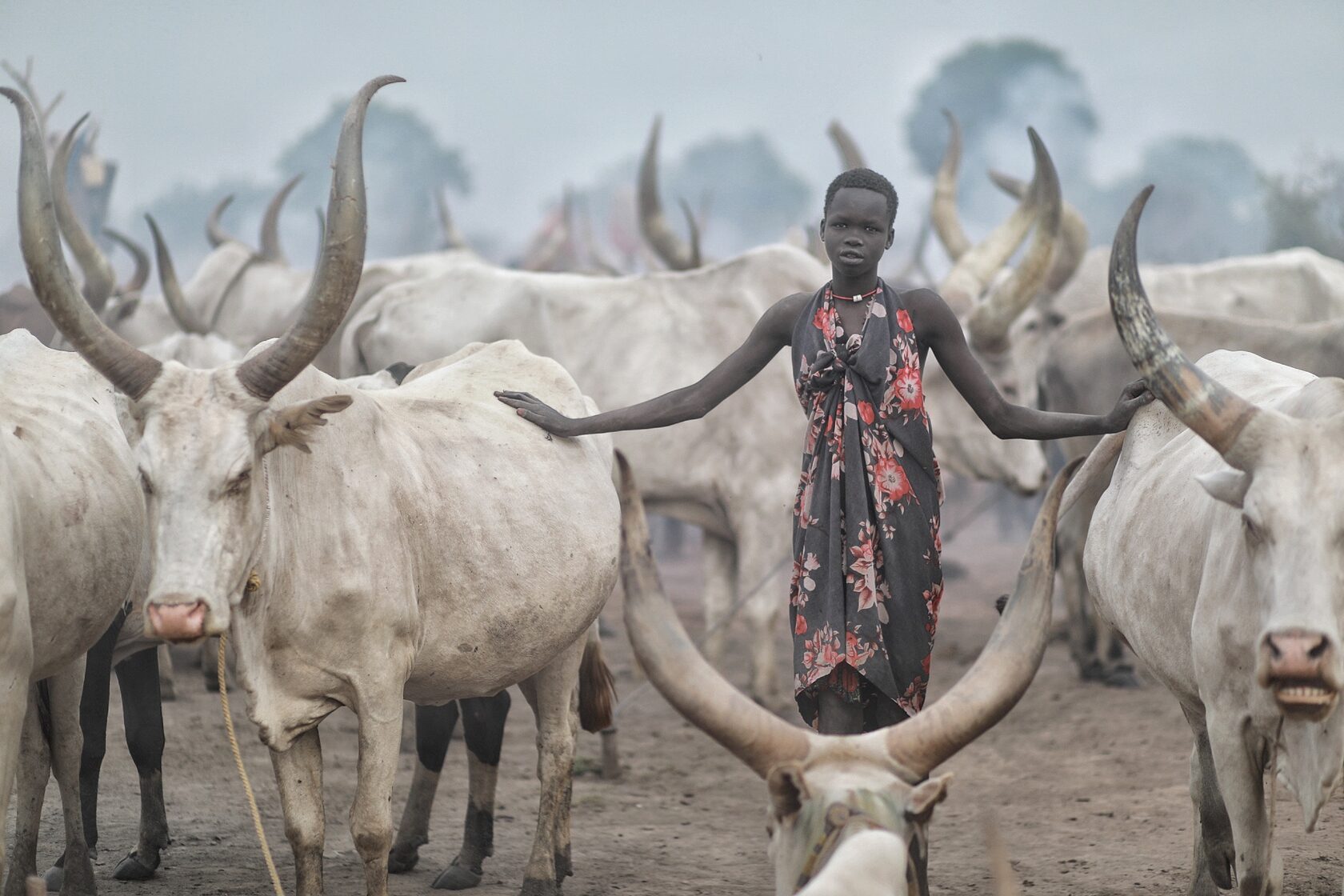
Our South Sudan Cultural & Tribal Tour visits both, alongside the better known Mundari cattle camps further west.
The Toposa, near Kapoeta, and the Boya, in the hills around Kimotong, are two of South Sudan's most traditional communities, visited on our cultural tour with an agreed community contribution and a specialist local partner throughout.
- Toposa: known for elaborate beadwork and traditional dress, near Kapoeta.
- Boya: South Sudan's smallest and least visited ethnic group, in the Boya Hills near Kimotong.
- Access: long overland transfers, mobile camping throughout.
- Community contribution: agreed in advance, paid directly to each community.
- Best paired with: the Mundari cattle camps further west.
| Community | Location | Known For |
|---|---|---|
| Toposa | Near Kapoeta | Beadwork, traditional dress |
| Boya | Boya Hills, near Kimotong | South Sudan's smallest ethnic group |
1. The Toposa, Near Kapoeta
A full day is spent with the Toposa community, covering traditional dress, elaborate beadwork, and daily life in one of South Sudan's more remote regions.
2. The Boya, In The Boya Hills
South Sudan's smallest and least visited ethnic group, reached via a further drive to Kimotong, with an optional extension into nearby Boma National Park for travelers with extra time.
Read More: Full itinerary: the 8 Day South Sudan Cultural & Tribal Tour3. How These Visits Are Arranged
As with our Mundari visits, every community stop is arranged in advance with a fair, agreed contribution, and nothing is negotiated on the spot.
Two Of The Least Visited Communities In East Africa
The Toposa and Boya visits round out one of the most direct cultural itineraries we run anywhere on the continent.
Interested in the full South Sudan cultural circuit? Tell us your travel window and we will confirm current logistics.
Start PlanningFrequently Asked Questions
How do these visits differ from the Mundari cattle camps?
Different communities, different traditions, though the same etiquette and direct contribution model applies throughout.
Is this itinerary physically demanding?
It involves long overland transfers and mobile camping rather than technical difficulty.
Does this trip run year round?
Only when our on the ground partners confirm current conditions support it.