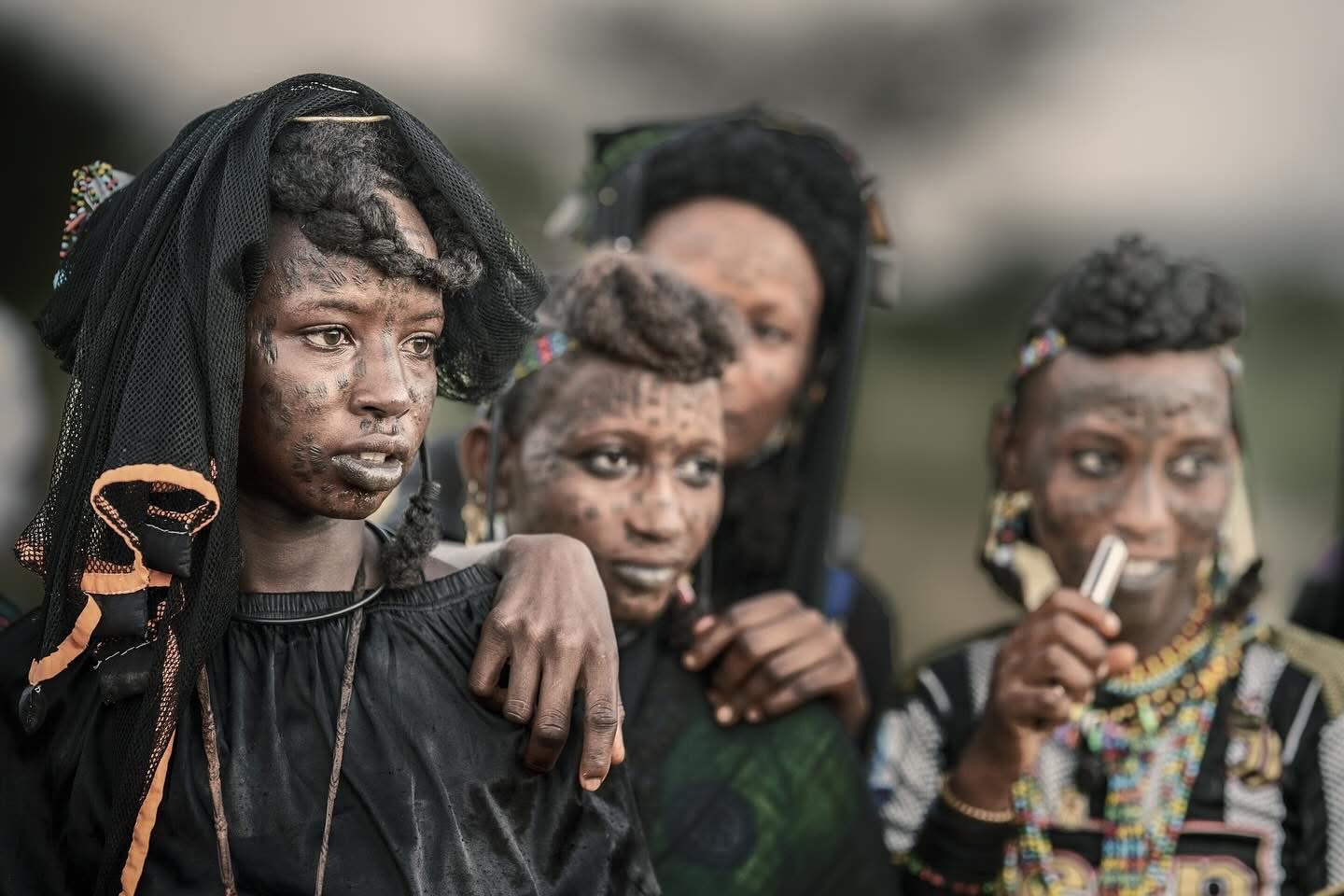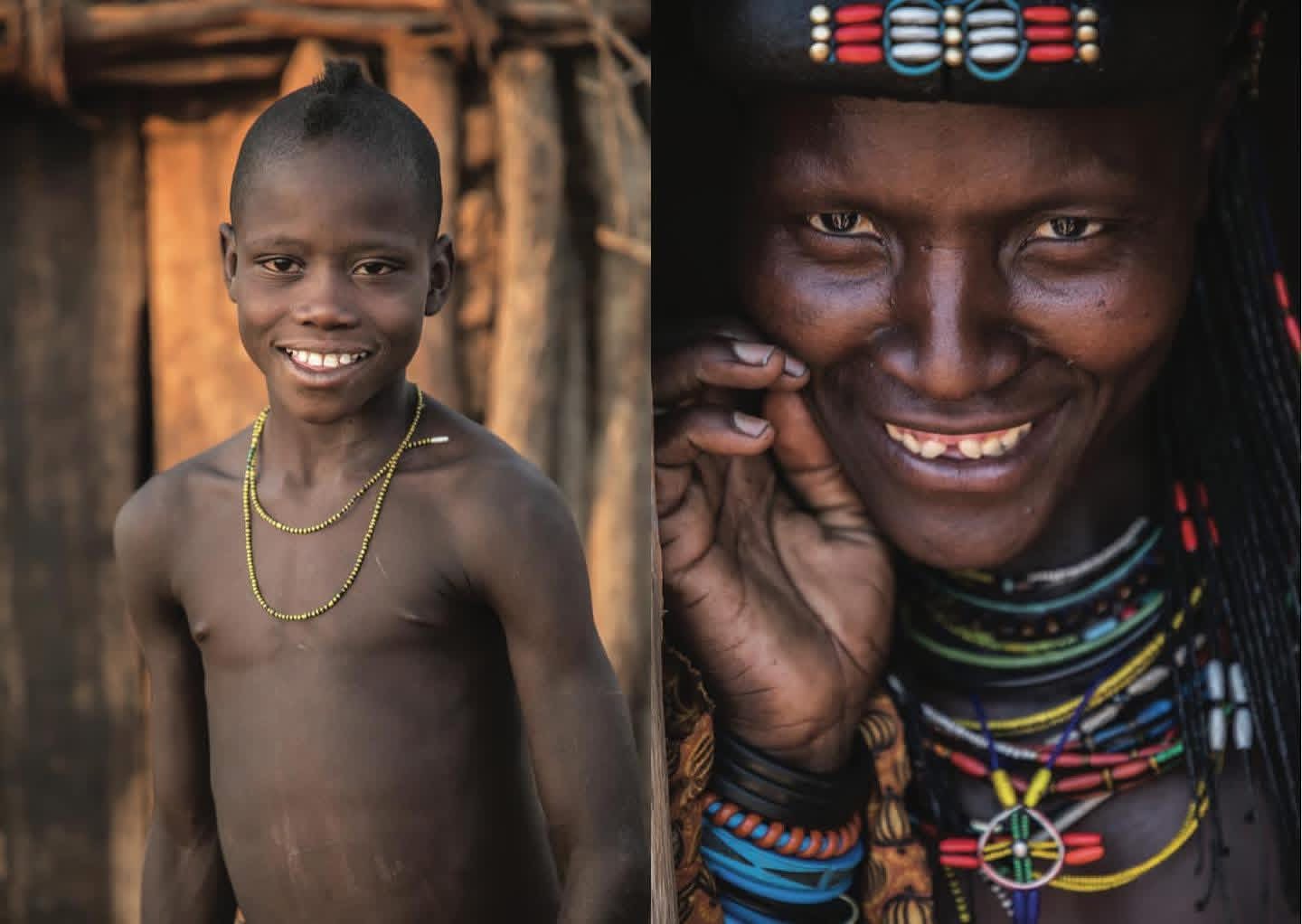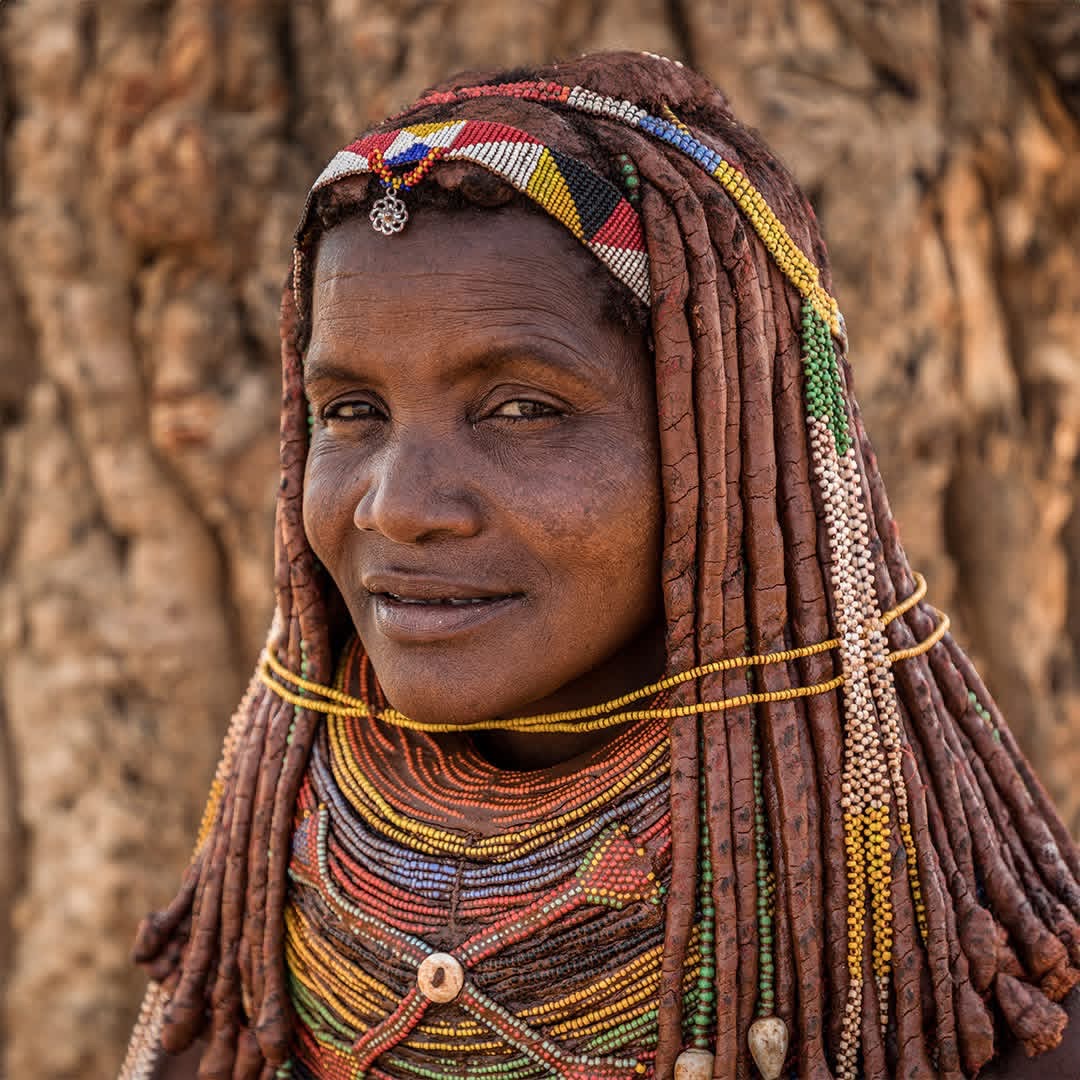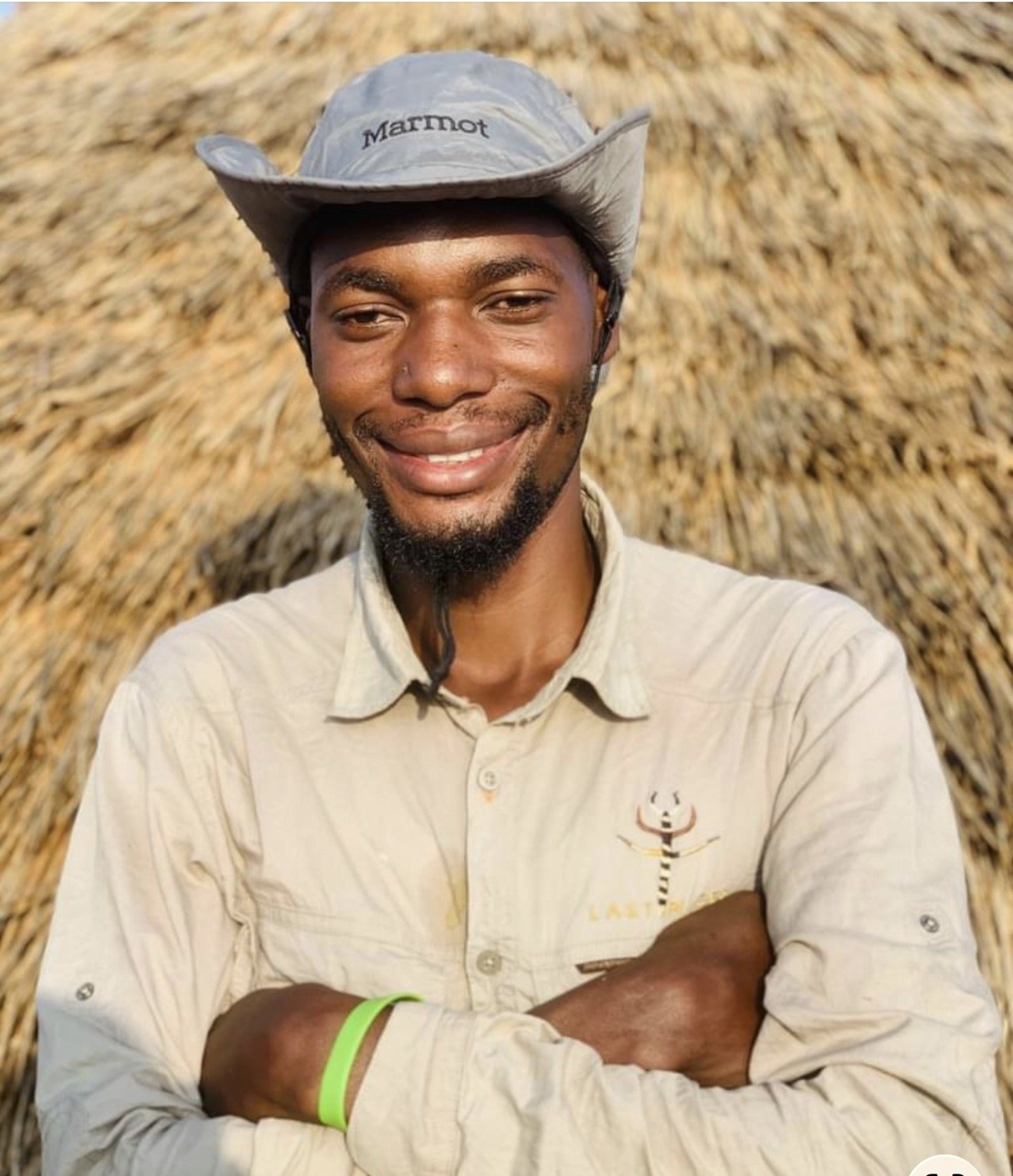
Lake Chad has shrunk dramatically over the past half century, losing most of its historical surface area, yet the wetlands that remain still support significant birdlife and communities who have depended on the lake for generations.
It is a landscape defined as much by change as by what remains.
Lake Chad has lost roughly 90 percent of its surface area since the 1960s due to climate shifts and water use, yet its remaining wetlands still support significant birdlife and fishing communities.
- Area lost: roughly 90 percent of its 1960s surface area.
- Cause: a combination of climate shifts and increased water use.
- Wildlife: remaining wetlands still support significant birdlife.
- Communities: fishing communities remain built around the lake's shrinking shoreline.
- Visiting: arranged individually given the region's limited tourism infrastructure.
| Detail | Info |
|---|---|
| Area Lost Since 1960s | Roughly 90 percent |
| Remaining Habitat | Wetlands supporting birdlife |
| Communities | Fishing communities along the shoreline |
1. A Lake In Dramatic Decline
Lake Chad's surface area has shrunk by roughly 90 percent since the 1960s, one of the starkest examples of environmental change on the continent, driven by both climate shifts and increased water demand.
2. What Remains
Despite the losses, remaining wetland areas still support significant birdlife and communities whose livelihoods remain tied to the lake, adapting as the shoreline continues to shift.
3. Visiting Responsibly
Given the region's limited tourism infrastructure and evolving conditions, visits here are arranged individually rather than as a fixed itinerary.
Read More: Read about Zakouma's elephant recoveryA Landscape In Transition, Still Worth Understanding
Lake Chad's decline is a genuine environmental story, and the communities and wildlife that remain around it offer a compelling, sobering stop for the right traveler.
Interested in visiting Lake Chad's wetlands? Tell us your interests and we will confirm current logistics.
Start PlanningFrequently Asked Questions
Why has Lake Chad shrunk so dramatically?
A combination of shifting rainfall patterns and increased water use across the surrounding region.
Is it possible to visit the lake today?
Yes, arranged individually given the region's developing tourism infrastructure and current conditions.
What wildlife remains around the lake?
Significant birdlife populations persist in the remaining wetland areas.